


Introduction
Technology has changed the way people live, work, and manage their homes. Today, homeowners are looking for smarter ways to improve comfort, increase security, and save energy. This is where smart home ideas become extremely useful. From voice-controlled lighting systems to automated security cameras, smart technology is making everyday life easier and more efficient.
Many people believe smart homes are only for luxury properties. However, affordable devices and easy installation options have made smart living accessible to almost everyone. Whether you live in a small apartment or a large house, you can apply smart home ideas that match your lifestyle and budget.
A smart home uses internet-connected devices to control different household systems. These systems may include lighting, heating, entertainment, appliances, and security. Most smart devices can be controlled through smartphones, tablets, or voice assistants. As a result, homeowners enjoy greater convenience and control.
In addition, smart technology can help reduce electricity usage and improve home safety. Automated thermostats, motion sensors, and smart plugs can lower energy bills while keeping the home comfortable. Meanwhile, security systems provide real-time monitoring and alerts.
This guide explains everything beginners need to know about smart home ideas. You will learn how smart homes work, why they matter, and how to create a smarter living environment step by step.
What is Smart Home Ideas?
Smart home ideas refer to modern technology solutions that improve home management through automation and connectivity. These ideas involve devices and systems that communicate through the internet to make daily tasks simpler and more efficient.
A smart home may include:
- Smart lights
- Smart thermostats
- Video doorbells
- Voice assistants
- Smart locks
- Security cameras
- Automated curtains
- Smart kitchen appliances
For example, a homeowner can turn off lights remotely using a smartphone app. Similarly, a smart thermostat can automatically adjust room temperature based on weather conditions or user preferences.
Most smart devices work together through a central hub or mobile application. Popular voice assistants like Alexa and Google Assistant also help users control devices through voice commands.
The main purpose of smart home ideas is to improve convenience, save time, increase safety, and reduce energy consumption. As technology continues to improve, smart homes are becoming more advanced and affordable for everyday users.
Why is Smart Home Ideas Important?
Smart home ideas are important because they simplify daily living while offering better comfort and security. Modern lifestyles are busy, and automation helps homeowners manage tasks more efficiently.
One major advantage is convenience. Smart devices allow users to control lights, appliances, and security systems from anywhere. This remote access saves time and provides peace of mind.
Energy efficiency is another important reason. Smart thermostats and automated lighting systems help reduce unnecessary electricity usage. Consequently, homeowners can lower monthly utility bills.
Security also improves significantly with smart technology. Smart cameras, doorbell systems, and motion sensors provide real-time monitoring and alerts. Homeowners can monitor their property even while traveling.
Furthermore, smart home ideas support elderly individuals and people with disabilities. Voice-controlled systems and automation make daily activities easier and safer.
As technology becomes more affordable, smart homes are no longer considered luxury upgrades. Instead, they are becoming practical solutions for modern living.
Detailed Step-by-Step Guide
Step 1: Start with Smart Lighting
Smart lighting is one of the easiest ways to begin creating a smart home. These systems allow homeowners to control brightness, color, and schedules using mobile apps or voice assistants.
Benefits of smart lighting include:
- Lower energy usage
- Better home ambiance
- Automatic scheduling
- Remote control access
For example, lights can automatically turn off when no one is in the room. Similarly, outdoor lights can activate at sunset for improved safety.
Step 2: Install a Smart Thermostat
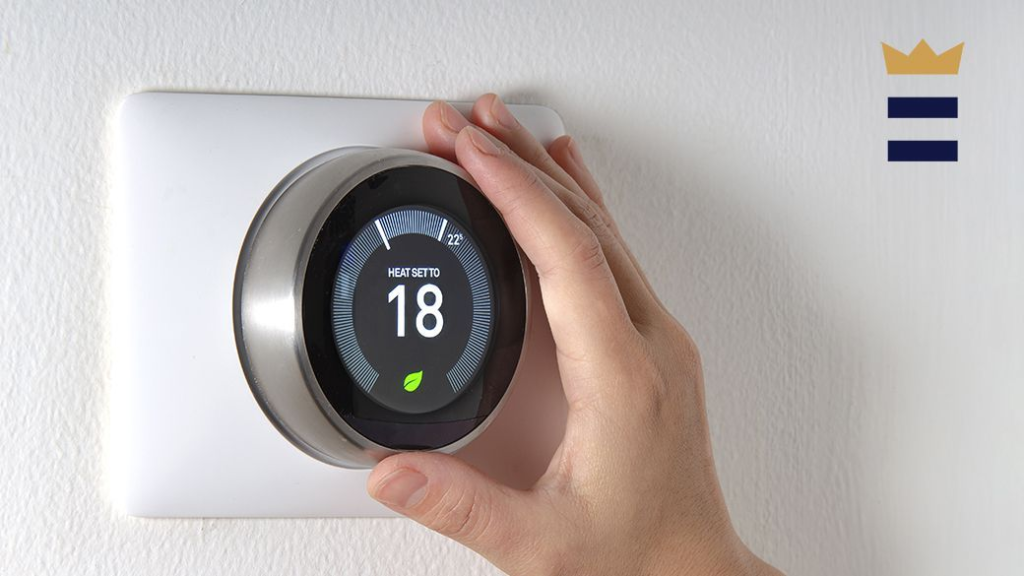
A smart thermostat helps maintain comfortable indoor temperatures while reducing energy consumption. It learns user habits and adjusts heating or cooling automatically.
Popular thermostat features include:
- Remote temperature control
- Energy usage reports
- Automatic scheduling
- Weather-based adjustments
This smart home idea is especially useful for reducing electricity bills during summer and winter seasons.
Step 3: Upgrade Home Security
Security is one of the biggest reasons people invest in smart home ideas. Smart security systems provide real-time monitoring and instant alerts.
Common smart security devices include:
- Video doorbells
- Smart locks
- Motion detectors
- Indoor cameras
- Outdoor cameras
These devices help homeowners monitor visitors, detect suspicious activity, and secure entry points effectively.
Step 4: Use Smart Voice Assistants
Voice assistants are central to many smart homes. Devices like Alexa and Google Assistant allow users to control multiple devices through simple voice commands.
Examples include:
- Playing music
- Adjusting lights
- Checking weather updates
- Setting reminders
- Locking doors
Voice assistants improve convenience and reduce the need for manual controls.
Step 5: Automate Smart Appliances
Modern appliances now include smart features that make daily routines easier. Smart refrigerators, washing machines, and coffee makers can be controlled remotely.
For example:
- Smart ovens can preheat automatically
- Smart refrigerators monitor groceries
- Smart washing machines send cycle alerts
These appliances improve efficiency and simplify household management.
Step 6: Create a Smart Entertainment System
Entertainment systems are another popular part of smart home ideas. Smart TVs, wireless speakers, and streaming devices provide better user experiences.
Homeowners can connect devices for synchronized entertainment throughout the house. Voice commands also make navigation easier and faster.
Step 7: Install Smart Curtains and Blinds
Automated curtains and blinds improve comfort and energy efficiency. These systems can open or close based on schedules, sunlight, or temperature.
Benefits include:
- Better privacy
- Reduced heat exposure
- Energy savings
- Improved convenience
This feature is particularly useful in homes with large windows.
Step 8: Add Smart Sensors
Smart sensors help automate home functions and improve safety. Motion sensors, smoke detectors, and water leak sensors provide instant alerts when problems occur.
Examples include:
- Leak sensors preventing water damage
- Smoke detectors sending emergency alerts
- Motion sensors activating lights automatically
These devices add another layer of protection to the home.
Step 9: Use Smart Plugs
Smart plugs are affordable devices that convert traditional electronics into smart devices. Users can control connected appliances remotely.
For example, a coffee maker connected to a smart plug can start brewing automatically each morning.
Smart plugs are ideal for beginners exploring smart home ideas without spending large amounts of money.
Step 10: Build a Centralized Smart Home System
After installing multiple devices, homeowners should connect them through one centralized system. This creates smoother automation and easier management.
A centralized smart home setup allows devices to work together efficiently. For example:
- Lights turn off automatically when doors lock
- Security systems activate at bedtime
- Thermostats adjust when users leave home
This integration creates a fully connected smart living environment.
Benefits of Smart Home Ideas
Smart home ideas offer many practical benefits for homeowners.
Improved Convenience
- Control devices remotely
- Automate daily routines
- Reduce manual tasks
Better Security
- Real-time home monitoring
- Instant emergency alerts
- Remote door access
Energy Savings
- Lower electricity consumption
- Automated lighting schedules
- Efficient heating and cooling
Increased Comfort
- Personalized temperature settings
- Voice-controlled systems
- Smart entertainment features
Time Management
- Faster household management
- Automated appliances
- Simplified daily activities
Property Value Improvement
- Modern features attract buyers
- Increased market appeal
- Better home functionality
Disadvantages / Risks
Although smart home ideas provide many advantages, there are also some disadvantages to consider.
Internet Dependency
- Most devices require stable internet connections
- Connectivity issues may affect functionality
Privacy Concerns
- Smart devices collect user data
- Weak security settings may increase risks
Initial Costs
- Advanced systems can be expensive
- Installation costs may vary
Compatibility Problems
- Some devices may not work together
- Different brands use different platforms
Maintenance Requirements
- Software updates are necessary
- Devices may require troubleshooting
Understanding these risks helps homeowners make smarter purchasing decisions.
Common Mistakes to Avoid
Many beginners make mistakes when setting up smart homes. Avoiding these issues can improve the overall experience.
Buying Too Many Devices at Once
Some people purchase multiple devices without planning compatibility. Start small and expand gradually.
Ignoring Security Settings
Weak passwords and outdated software increase cybersecurity risks. Always use strong passwords and enable updates.
Choosing Cheap Low-Quality Devices
Low-quality devices may fail quickly or offer poor performance. Invest in reliable brands with good reviews.
Forgetting About Wi-Fi Strength
Smart devices rely heavily on internet connectivity. Weak Wi-Fi signals can reduce performance and reliability.
Not Creating Automation Routines
Many users only use manual controls. Automation routines maximize the benefits of smart home ideas.
Overcomplicating the Setup
Complex systems can become difficult to manage. Keep automation simple and user-friendly.
FAQs
What are the best smart home ideas for beginners?
Beginners should start with smart lights, smart plugs, and voice assistants. These devices are affordable, easy to install, and simple to use.
Are smart homes expensive to build?
Smart homes can fit different budgets. Many affordable devices allow homeowners to start small and upgrade gradually over time.
Do smart home devices save electricity?
Yes, many smart devices reduce energy usage through automation and scheduling. Smart thermostats and lighting systems are especially effective.
Is smart home technology safe?
Smart home technology is generally safe when users follow proper cybersecurity practices. Strong passwords and regular updates improve security.
Can smart devices work without internet?
Some devices offer limited offline functionality. However, most smart home features require internet access for remote control and automation.
Which voice assistant is best for smart homes?
Popular options include Alexa, Google Assistant, and Siri. The best choice depends on personal preferences and device compatibility.
Do smart homes increase property value?
Yes, modern buyers often prefer homes with smart features. Security systems and energy-saving devices can improve property appeal.
Can smart home ideas help elderly people?
Absolutely. Voice controls, automation, and monitoring systems help elderly individuals live more safely and independently.
Expert Tips & Bonus Points
Experts recommend starting with practical upgrades instead of purchasing expensive systems immediately. Focus on devices that solve real household problems.
Here are some useful expert tips:
- Choose devices from compatible ecosystems
- Use strong Wi-Fi throughout the house
- Enable two-factor authentication
- Create simple automation schedules
- Regularly update device software
- Prioritize security and energy-saving features
Another useful strategy is creating “scenes” or routines. For example, a bedtime routine may lock doors, dim lights, and adjust the thermostat automatically.
Homeowners should also consider future expansion. Choosing scalable systems makes it easier to add new devices later.
Finally, avoid unnecessary gadgets. The best smart home ideas are those that improve daily life in meaningful and practical ways.
Conclusion
Smart home ideas are transforming modern living by making homes more comfortable, efficient, and secure. What once seemed like advanced technology is now becoming part of everyday life for millions of homeowners around the world. From smart lighting and voice assistants to automated security systems, these innovations offer practical solutions for busy lifestyles.
One of the biggest advantages of smart technology is convenience. Homeowners can manage household systems remotely and automate routine tasks easily. At the same time, smart devices improve energy efficiency, helping reduce electricity bills and environmental impact. Security also becomes stronger with real-time monitoring and instant alerts.
However, creating a smart home requires proper planning. Beginners should start with simple devices and gradually build a connected ecosystem. Choosing reliable products, maintaining strong internet security, and ensuring device compatibility are essential for long-term success.
The future of home technology continues to evolve rapidly. As devices become more affordable and advanced, smart home ideas will become even more common in households of all sizes. Whether someone wants better comfort, increased safety, or lower energy costs, smart living offers valuable benefits for every homeowner.
By following the tips and strategies in this guide, anyone can create a smarter, safer, and more efficient home environment that supports modern living needs effectively.
