

Introduction
E-commerce growth strategies have become essential for every online business that wants to survive and scale in today’s competitive digital market. With millions of online stores competing for attention, simply having a website is no longer enough. Businesses must focus on structured planning, customer experience, and data-driven decisions to achieve long-term success. E-commerce growth strategies help brands improve visibility, increase sales, and build strong customer loyalty over time.
In recent years, the rise of digital platforms, mobile shopping, and social commerce has completely changed how customers interact with brands. This shift has made it necessary for businesses to adopt modern and effective e-commerce growth strategies that align with user behavior. Whether you are a beginner starting your first store or an intermediate seller trying to scale, understanding these strategies is critical.
This article explores practical methods, step-by-step processes, benefits, risks, and expert insights to help you build a strong foundation. By applying the right e-commerce growth strategies, businesses can unlock consistent revenue growth and long-term stability in an ever-changing online marketplace.
What is E-commerce Growth Strategies?
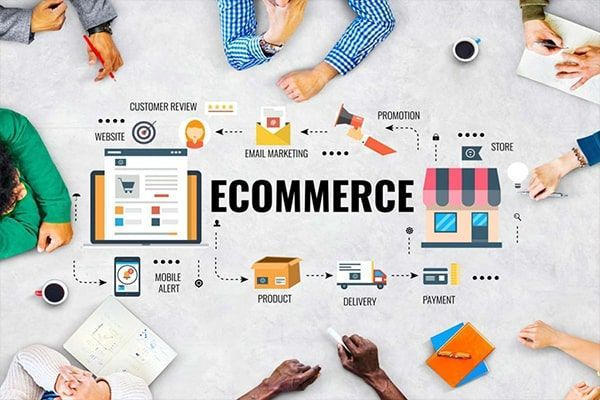
E-commerce growth strategies refer to a set of planned actions, techniques, and marketing approaches used to increase online sales, traffic, and customer retention for digital businesses. These strategies focus on improving every stage of the customer journey, from awareness to purchase and post-purchase engagement.
At its core, e-commerce growth strategies combine marketing, technology, user experience, and data analytics to scale an online store efficiently. They are not limited to advertising but also include product optimization, pricing strategies, website performance, and customer service improvements.
For example, an online store might use SEO to attract organic traffic, email marketing to retain customers, and social media campaigns to increase brand awareness. All these combined efforts represent e-commerce growth strategies in action.
Why is E-commerce Growth Strategies Important?
E-commerce growth strategies are important because they provide direction and structure in a highly competitive digital environment. Without a proper strategy, businesses often struggle with low traffic, poor conversion rates, and inconsistent sales.
One of the key reasons these strategies matter is scalability. A well-planned approach allows businesses to grow steadily without wasting resources. Additionally, they help in identifying target audiences, understanding customer behavior, and optimizing marketing efforts.
Another important factor is competition. Since online markets are crowded, businesses that fail to implement effective e-commerce growth strategies often get overshadowed by competitors. These strategies also improve customer experience, which directly impacts brand loyalty and repeat purchases.
In short, e-commerce growth strategies are essential for building a profitable, sustainable, and scalable online business in today’s digital economy.
Detailed Step-by-Step Guide
Step 1: Understand Your Target Audience
The foundation of successful e-commerce growth strategies is understanding your audience. Identify their needs, preferences, and buying behavior. Use analytics tools to gather insights and create customer profiles.
Step 2: Optimize Your Website
Your website is the core of your online business. Ensure it is fast, mobile-friendly, and easy to navigate. A well-optimized website improves user experience and increases conversion rates.
Step 3: Focus on SEO
Search engine optimization is one of the most powerful e-commerce growth strategies. Use relevant keywords, optimize product pages, and create valuable content to improve search rankings.
Step 4: Leverage Social Media Marketing
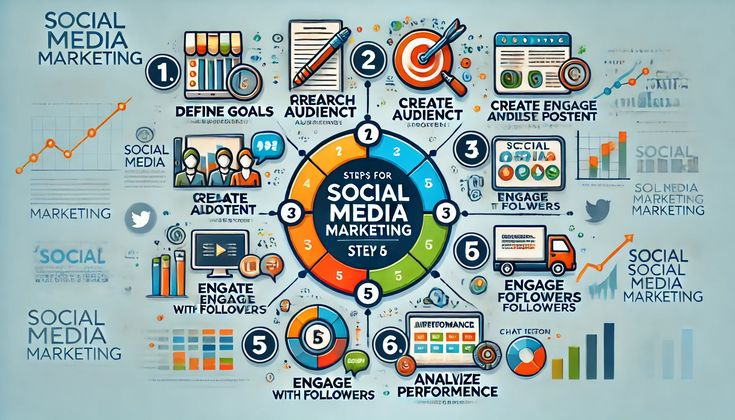
Social media platforms help you reach a wider audience. Use engaging content, influencer collaborations, and paid ads to increase visibility and traffic.
Step 5: Implement Email Marketing
Email marketing remains a strong tool for customer retention. Send personalized offers, product updates, and newsletters to keep customers engaged.
Step 6: Use Paid Advertising
Paid ads on platforms like Google and Facebook can drive immediate traffic. Proper targeting ensures better ROI and faster growth.
Step 7: Analyze and Improve
Regularly track performance using analytics tools. Adjust your e-commerce growth strategies based on data insights for continuous improvement.
Benefits of E-commerce Growth Strategies
- Increases online visibility and brand awareness
- Improves conversion rates and sales performance
- Enhances customer engagement and loyalty
- Provides scalable business growth opportunities
- Helps in better decision-making using data
- Reduces marketing waste and improves ROI
- Builds long-term business sustainability
Disadvantages / Risks
- Requires continuous monitoring and optimization
- Can be expensive if paid ads are not managed properly
- High competition in digital marketplaces
- Dependency on technology and platforms
- Requires technical and marketing knowledge
- Results may take time to show
Common Mistakes to Avoid
Many businesses fail because they misuse or ignore proper e-commerce growth strategies. One common mistake is targeting the wrong audience, which leads to low engagement and poor sales. Another mistake is neglecting website optimization, which directly affects user experience.
Over-reliance on paid ads without organic growth planning is also risky. Businesses should balance SEO, content marketing, and advertising. Ignoring data analytics is another major error, as it prevents informed decision-making.
Additionally, many store owners fail to maintain customer relationships after purchase. This reduces repeat sales and long-term profitability. Avoiding these mistakes ensures stronger and more effective e-commerce growth strategies.
FAQs
1. What are e-commerce growth strategies in simple terms?
E-commerce growth strategies are methods used to increase online sales, traffic, and customer engagement. They include marketing, SEO, advertising, and customer experience improvements.
2. How do e-commerce growth strategies help businesses?
They help businesses attract more customers, improve conversion rates, and build long-term brand loyalty by optimizing online performance.
3. Are e-commerce growth strategies suitable for beginners?
Yes, beginners can start with basic strategies like SEO, social media marketing, and website optimization before moving to advanced techniques.
4. How long does it take to see results?
Results depend on the strategy used. SEO may take months, while paid ads can deliver faster results within days or weeks.
5. Do I need a big budget for e-commerce growth strategies?
Not necessarily. Many strategies like SEO and content marketing can be done with low budgets, while paid ads require more investment.
6. What is the most important strategy?
There is no single most important strategy. A combination of SEO, marketing, and customer experience usually delivers the best results.
Expert Tips & Bonus Points
Experts recommend focusing on long-term consistency rather than short-term gains. One key tip is to always test different strategies and measure results. A/B testing can help improve conversion rates significantly.
Another important tip is personalization. Customers respond better when they receive personalized recommendations and offers. Additionally, businesses should invest in mobile optimization since most users shop through smartphones.
Content marketing also plays a major role in modern e-commerce growth strategies. High-quality blogs, product descriptions, and videos can drive organic traffic and improve brand authority.
Finally, always prioritize customer support. Fast and helpful responses increase trust and encourage repeat purchases.
Conclusion
E-commerce growth strategies are the backbone of any successful online business. Without a clear strategy, it becomes difficult to compete in the fast-changing digital marketplace. These strategies provide structure, direction, and measurable goals that help businesses grow sustainably over time.
From understanding your audience to optimizing your website and leveraging digital marketing channels, every step plays a crucial role in building a strong online presence. Businesses that invest in effective e-commerce growth strategies often see improved traffic, higher conversion rates, and stronger customer relationships.
However, success does not come overnight. It requires consistency, testing, and continuous improvement. The digital landscape keeps evolving, and businesses must adapt to stay competitive. By applying the right combination of SEO, marketing, and customer-focused approaches, any online store can achieve long-term success.
In the end, e-commerce growth strategies are not just about increasing sales; they are about building a sustainable and scalable business that thrives in the modern digital economy.
