

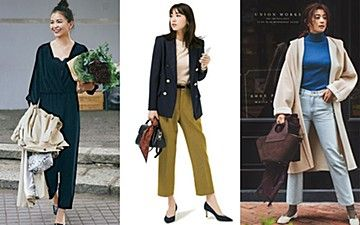
Fashion & street style continue to influence how people dress, communicate, and express individuality in daily life. From oversized jackets and sneakers to minimalist accessories and layered outfits, modern fashion blends comfort with creativity. Today, fashion is no longer limited to luxury runways because street style has become a powerful source of inspiration for people of all ages.
Many beginners often feel confused about how to build a stylish wardrobe without spending too much money. However, understanding fashion basics and learning how street style works can make dressing well easier and more enjoyable. Personal style is not about copying celebrities. Instead, it is about wearing clothes that match your personality, confidence, and lifestyle.
In recent years, social media platforms, fashion blogs, and influencers have also changed how trends spread across the world. As a result, fashion & street style have become more accessible than ever before. People now combine vintage pieces, modern outfits, and casual essentials to create unique looks that stand out naturally.
This guide explains everything beginners and intermediate readers need to know about fashion & street style. You will learn the meaning of street fashion, why it matters, how to build your style, common mistakes to avoid, and expert tips for creating fashionable outfits confidently.
What is Fashion & Street Style?
Fashion & street style refer to clothing trends and personal outfit choices inspired by everyday urban culture rather than traditional runway fashion alone. Street style often develops naturally from music, sports, art, youth culture, and social movements. Unlike formal fashion industries, street style focuses more on comfort, originality, and self expression.
Street style includes oversized shirts, denim jackets, sneakers, cargo pants, hoodies, graphic tees, relaxed tailoring, and creative accessories. However, fashion & street style are not limited to one specific look because trends change based on culture, location, season, and personal taste.
People use street fashion to communicate confidence, creativity, and individuality. Some prefer minimalist outfits with neutral colors, while others enjoy bold prints, layered clothing, and statement sneakers. The beauty of street style is that anyone can adapt it according to personal comfort and budget.
Modern fashion brands also pay close attention to streetwear trends because consumers now prefer practical and stylish outfits for daily life. This connection between luxury fashion and urban style has made street fashion one of the most influential trends in the world today.
Why is Fashion & Street Style Important?
Fashion & street style are important because they help people express their personalities without speaking. Clothing choices often reflect mood, creativity, confidence, and lifestyle preferences. A well planned outfit can leave a strong impression in both social and professional environments.
Street style also encourages individuality. Instead of following strict fashion rules, people can experiment with different combinations and create looks that feel authentic. This freedom makes fashion more inclusive and enjoyable for beginners.
Another reason fashion matters is confidence. Wearing comfortable and stylish clothes can improve self esteem and help people feel more positive throughout the day. Even simple outfits can appear fashionable when styled properly with confidence and balance.
Fashion & street style also influence industries such as photography, music, entertainment, marketing, and retail. Trends often start in urban communities before becoming mainstream across global markets. As a result, street style has become an important part of modern culture and business.
Additionally, fashion supports creativity and sustainability. Many people now recycle old clothing, shop from thrift stores, or mix vintage items with modern outfits. This approach not only saves money but also promotes responsible fashion habits.
Detailed Step by Step Guide
Understand Your Personal Style
The first step in building a fashionable wardrobe is understanding your personality and lifestyle. Some people prefer relaxed outfits, while others enjoy bold or elegant styles. Start by identifying clothing colors, fabrics, and fits that make you feel confident and comfortable.
You can create inspiration folders using fashion magazines or social media images. Observe how different outfits are styled and notice which looks match your personality best. Avoid copying trends blindly because personal comfort should always come first.
Build a Strong Wardrobe Foundation
Every stylish wardrobe starts with basic essentials. Neutral pieces are easier to mix and match, making outfit planning more practical and affordable. Beginners should focus on quality basics before purchasing trendy items.
Important wardrobe essentials include:
- Plain white and black t shirts
- Well fitted jeans
- Comfortable sneakers
- Hoodies and sweatshirts
- Denim or bomber jackets
- Neutral trousers
- Basic accessories like watches and caps
These pieces create a strong foundation for experimenting with fashion & street style without overspending.
Learn the Importance of Fit
Even expensive clothes can look unattractive when they do not fit properly. Oversized clothing can look fashionable, but balance is important. If one piece is loose, another should provide structure to maintain a clean appearance.
Slim fit jeans with oversized hoodies or relaxed pants with fitted shirts are common street style combinations. Understanding body proportions helps create outfits that look stylish instead of messy.
Experiment with Layers
Layering is one of the most effective ways to improve street style outfits. Combining jackets, hoodies, shirts, and accessories creates depth and visual interest. However, layering should remain practical and comfortable.
For example, a plain t shirt under a flannel shirt with a denim jacket can create a fashionable urban look during colder seasons. Neutral colors make layering easier for beginners because they blend naturally.
Choose the Right Footwear
Sneakers are a major part of fashion & street style. Clean and versatile shoes can improve almost any outfit instantly. White sneakers, high tops, chunky sneakers, and skate shoes remain popular choices for streetwear enthusiasts.
Comfort should always be considered when selecting footwear. Shoes that match multiple outfits offer better value and make daily styling easier.
Use Accessories Carefully
Accessories complete outfits and add personality to fashion choices. Caps, chains, sunglasses, rings, backpacks, and watches are common street style accessories. However, wearing too many accessories at once can make outfits appear overcrowded.
Beginners should start with simple additions and gradually experiment with different styles. Minimal accessories often create a cleaner and more sophisticated appearance.
Follow Trends Selectively
Fashion trends change quickly, but not every trend suits every individual. Instead of chasing every new style, focus on trends that align with your personality and lifestyle. Timeless clothing pieces usually remain fashionable longer than temporary trends.
Street style works best when trends are combined with originality. Mixing classic basics with modern pieces creates balanced outfits that feel current without looking forced.
Shop Smart and Stay Within Budget
Looking fashionable does not require expensive designer clothing. Many affordable brands offer stylish and high quality outfits suitable for everyday wear. Thrift stores and local fashion markets are also excellent places to discover unique clothing pieces.
Before shopping, create a list of wardrobe gaps and focus on versatile items that can be worn frequently. Smart shopping reduces unnecessary spending and helps build a practical wardrobe over time.
Benefits of Fashion & Street Style
Fashion & street style offer several personal and social benefits, including:
- Improve self confidence and personal image
- Encourage creativity and self expression
- Help individuals develop a unique identity
- Make social interactions more positive
- Increase comfort through personalized clothing choices
- Allow experimentation with colors and designs
- Support modern and professional appearance
- Inspire sustainable shopping habits
- Create opportunities in fashion related industries
- Make everyday dressing more enjoyable
Disadvantages and Risks
Although fashion can be exciting, there are also some disadvantages and risks people should consider:
- Fast changing trends may encourage unnecessary spending
- Social pressure can create unrealistic style expectations
- Excessive shopping may lead to financial problems
- Poor quality clothing may harm the environment
- Blindly following trends can reduce individuality
- Some fashion trends prioritize appearance over comfort
- Social media comparisons may affect confidence negatively
Understanding these risks helps people enjoy fashion responsibly while maintaining healthy shopping habits and realistic expectations.
Common Mistakes to Avoid
Many beginners make avoidable mistakes while exploring fashion & street style. Recognizing these errors early can improve personal style more effectively.
One common mistake is buying trendy clothes without considering versatility. Some outfits may look attractive online but remain difficult to wear regularly. Focus on practical pieces that work with multiple combinations.
Another mistake is ignoring proper fit. Clothing that is too tight or excessively oversized may reduce overall appearance. Tailored and balanced outfits usually look more polished.
Wearing too many statement pieces together can also create visual confusion. If your sneakers are bold, keep the rest of the outfit simple for balance.
Many people also copy influencers completely instead of developing their own style identity. Inspiration is helpful, but originality creates confidence and authenticity.
Poor grooming is another overlooked issue. Clean shoes, neat hair, and wrinkle free clothing significantly improve overall style. Fashion is not only about expensive outfits but also about presentation and hygiene.
Finally, avoid shopping emotionally or impulsively. Purchasing unnecessary clothing often leads to wasted money and cluttered wardrobes. Smart fashion decisions focus on quality, comfort, and long term usability.
FAQs
What is the difference between fashion and street style?
Fashion usually refers to broader clothing trends influenced by designers and brands, while street style develops from everyday urban culture and personal creativity. Street style focuses more on individuality and comfort.
Can beginners follow fashion & street style easily?
Yes, beginners can easily start by wearing basic wardrobe essentials, neutral colors, and comfortable footwear. Fashion becomes easier when people focus on confidence and simplicity instead of complicated trends.
Do I need expensive clothing to look fashionable?
No, stylish outfits do not always require luxury brands. Affordable clothing, thrifted items, and smart styling can create fashionable looks without spending large amounts of money.
Which colors work best for street style outfits?
Neutral colors such as black, white, gray, beige, and navy are versatile and easy to combine. However, brighter colors can also work when balanced properly with simpler pieces.
How can I improve my personal style confidently?
Start by experimenting gradually with different outfits and observing what feels comfortable. Building confidence takes time, but consistency and self awareness help improve style naturally.
Are sneakers necessary for street style fashion?
Sneakers are popular in streetwear because they combine comfort and style. However, boots, loafers, and casual shoes can also work depending on the outfit and personal preference.
How often should I follow new fashion trends?
You do not need to follow every trend. Select trends that match your personality, budget, and lifestyle while maintaining timeless wardrobe essentials for long term use.
Expert Tips and Bonus Points
Fashion experts often recommend keeping wardrobes simple and versatile. A small collection of high quality clothing usually works better than large amounts of low quality items.
Photographing outfits can help identify what combinations look best. Reviewing outfit photos also improves understanding of colors, proportions, and accessories.
Confidence remains one of the most important elements of fashion & street style. Even simple outfits appear attractive when worn comfortably and naturally.
Seasonal adjustments are also important. Lightweight fabrics work better during warmer months, while layered clothing provides style and comfort during colder seasons.
Another useful tip is learning basic color coordination. Neutral colors pair well together, while one bold accent color can make outfits more visually interesting without appearing overwhelming.
Maintaining clothing properly also improves style. Washing garments correctly, storing shoes carefully, and ironing outfits help clothing last longer and appear cleaner.
Finally, remember that personal style evolves over time. Fashion preferences may change based on age, career, interests, and experiences. Staying open to experimentation allows individuals to discover styles that truly represent their personalities.
Develop Confidence Through Practice
Confidence plays a major role in fashion & street style because clothing alone cannot create a strong impression without positive body language and self assurance. Many people hesitate to experiment with fashion because they worry about judgment from others. However, personal style improves through practice and gradual experimentation.
One helpful approach is testing outfits at home before wearing them publicly. Trying different combinations in front of a mirror allows people to understand what looks balanced and comfortable. Taking photos of outfits can also help identify which colors, cuts, and accessories work best together.
Fashion confidence also grows when individuals stop comparing themselves constantly to celebrities or influencers. Social media often presents edited and unrealistic images that do not reflect everyday life. Instead of chasing perfection, focus on creating outfits that feel authentic and practical.
Another effective method is building signature elements into daily outfits. Some people prefer neutral sneakers, while others enjoy rings, jackets, or caps as their defining accessories. Repeating certain pieces consistently helps create a recognizable and confident personal identity.
Seasonal Street Style Ideas
Every season offers unique opportunities to experiment with fashion & street style. Understanding seasonal clothing choices helps maintain comfort while keeping outfits stylish throughout the year.
During summer, lightweight fabrics such as cotton and linen help reduce discomfort in hot weather. Oversized t shirts, shorts, loose trousers, and breathable sneakers are popular street style choices during warmer months. Light colors also reflect heat and create a fresh appearance.
Autumn fashion usually focuses on layering. Hoodies, flannel shirts, denim jackets, and cargo pants become more practical during cooler temperatures. Earth tones such as brown, olive, and beige are common seasonal colors because they match the natural atmosphere of autumn.
Winter street style often combines functionality with bold layering techniques. Puffer jackets, oversized coats, boots, scarves, and knitted sweaters create fashionable looks while providing warmth. Layered winter outfits can appear stylish when colors and textures remain balanced.
Spring fashion typically introduces lighter layers and brighter tones. Denim jackets, white sneakers, and relaxed trousers work especially well during transitional weather. Floral patterns and pastel colors also become more popular during spring seasons.
The Influence of Music and Culture on Street Style
Music and culture have strongly influenced fashion & street style for decades. Different music genres often inspire unique clothing trends that later become mainstream fashion movements.
Hip hop culture introduced oversized clothing, sneakers, caps, and graphic prints into global fashion. Skateboarding communities popularized loose fitting outfits, hoodies, and skate shoes that continue influencing streetwear today. Meanwhile, punk fashion promoted ripped clothing, leather jackets, and bold accessories as symbols of rebellion and individuality.
Cultural diversity also contributes to modern fashion trends. Traditional clothing, regional fabrics, and local designs are now blended with contemporary streetwear to create unique global styles. This cultural exchange has made fashion more creative and inclusive.
Social media platforms further accelerate the spread of trends across countries and communities. A style trend that starts in one city can quickly become popular worldwide through online sharing and digital fashion content.
Creating a Capsule Wardrobe for Street Style
A capsule wardrobe is a small collection of versatile clothing pieces that work together easily. This approach simplifies outfit planning while reducing unnecessary shopping.
A basic street style capsule wardrobe may include neutral shirts, black jeans, relaxed trousers, comfortable sneakers, hoodies, and one or two jackets. These items can be mixed into multiple outfit combinations suitable for daily activities.
Capsule wardrobes also encourage smarter spending habits because people focus more on quality and versatility rather than impulse purchases. This method is especially useful for beginners who want stylish outfits without overcrowding their closets.
How Social Media Shapes Modern Fashion
Social media has transformed the way people discover and follow fashion & street style trends. Platforms filled with outfit inspiration, fashion photography, and styling videos allow users to explore countless ideas within minutes. This accessibility helps beginners learn how to combine colors, layers, and accessories more effectively.
Influencers and content creators often introduce new trends before they appear in mainstream stores. As a result, fashion now changes faster than ever before. While this creates exciting opportunities for creativity, it can also encourage impulsive shopping and unrealistic comparisons. Therefore, it is important to use social media as inspiration rather than strict guidance.
Following fashion accounts that match your personal interests can help refine your style gradually. Saving outfit ideas, observing seasonal trends, and learning from styling tutorials are practical ways to improve fashion knowledge without losing individuality or confidence.
Street style becomes more meaningful when people adapt trends according to their own lifestyles instead of copying every popular look online. Practical clothing choices, comfortable fabrics, and balanced styling create outfits that remain fashionable, functional, and suitable for activities throughout seasons.
Conclusion
Fashion & street style have become powerful forms of self expression in modern society. Instead of following strict rules, people now combine creativity, comfort, and individuality to create outfits that reflect personal identity. From oversized hoodies and sneakers to layered jackets and minimalist accessories, street fashion offers endless possibilities for experimenting with style.
For beginners, developing a fashionable wardrobe does not require expensive brands or complicated trends. Understanding proper fit, choosing versatile basics, and shopping smartly can make fashion both practical and enjoyable. Over time, experimenting with colors, layers, and accessories helps individuals build confidence and discover styles that suit their lifestyles naturally.
Fashion also goes beyond appearance because it influences confidence, creativity, and communication. A balanced wardrobe can improve self image and create positive impressions in social and professional situations. At the same time, responsible shopping habits help reduce waste and encourage more sustainable fashion choices.
Most importantly, fashion & street style should feel personal rather than forced. Trends may change constantly, but confidence and authenticity always remain timeless. By focusing on comfort, originality, and smart styling, anyone can build a modern wardrobe that feels stylish, functional, and uniquely their own.
