

Introduction
Modern city living has become one of the most defining aspects of contemporary life, shaping how people work, socialize, and experience the world around them. With rapid urbanization, cities are expanding faster than ever, offering advanced infrastructure, better job opportunities, and a lifestyle full of convenience and innovation. However, this modern lifestyle also comes with its own challenges such as high living costs, pollution, and fast-paced routines that can sometimes feel overwhelming. Understanding modern city living is essential for anyone who wants to adapt, grow, and thrive in today’s urban environment. In this article, we will explore the meaning, importance, benefits, risks, and practical strategies for successfully navigating life in a modern city. Whether you are a student, professional, or someone planning to move to an urban area, this guide will help you gain a deeper understanding of how city life works and how to make the most of it. Modern city living is not just about tall buildings and busy streets; it is about lifestyle choices, opportunities, and the ability to balance comfort with challenges in a constantly evolving environment.
What is Modern City Living?
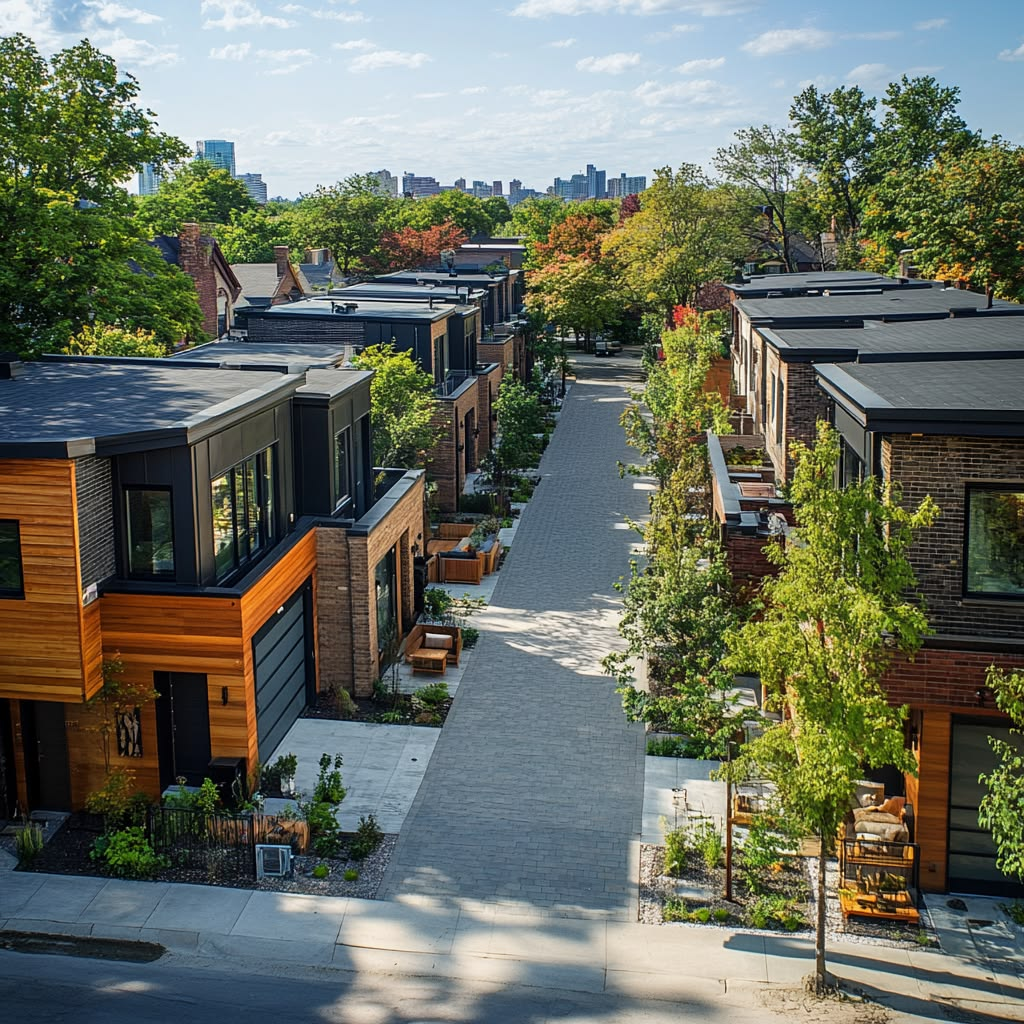
Modern city living refers to the lifestyle experienced by people residing in urban areas that are characterized by advanced infrastructure, high population density, and access to modern facilities. It includes living in apartments, using public transportation systems, working in corporate or digital industries, and accessing services such as healthcare, education, entertainment, and shopping within close proximity. This lifestyle is shaped by technology, fast communication systems, and continuous development of urban spaces. People in cities often enjoy a highly connected environment where everything is accessible within minutes, making life more efficient compared to rural areas. At the same time, modern city living also involves adapting to a fast-paced routine where time management becomes essential. From smart homes to digital banking and ride-sharing apps, urban life is deeply influenced by innovation and convenience. However, it also requires individuals to cope with noise, traffic congestion, and competitive environments. In simple terms, modern city living is a blend of comfort, opportunity, and complexity that defines the urban human experience in the 21st century.
Why is Modern City Living Important?
Modern city living plays a crucial role in shaping economic growth, social development, and technological advancement. Cities are the backbone of a country’s economy, offering employment opportunities, innovation hubs, and global connectivity. One of the most important aspects of urban living is access to better job markets, where individuals can build careers in diverse industries such as IT, healthcare, finance, and education. Additionally, cities provide better educational institutions, allowing students to gain quality knowledge and skills. Healthcare systems in urban areas are also more advanced, offering specialized treatments and emergency services. Another important factor is cultural diversity, as cities bring together people from different backgrounds, promoting tolerance and global understanding. Modern city living also encourages innovation, as businesses and startups thrive in competitive environments. Furthermore, infrastructure development such as roads, transportation systems, and digital networks enhances efficiency in daily life. Overall, urban living is important because it supports progress, improves living standards, and creates opportunities for personal and professional growth.
Detailed Step-by-Step Guide to Adapting Modern City Living
Step 1: Understanding the Urban Environment
Before adapting to city life, it is important to understand how urban systems work. This includes transportation networks, housing options, and public services. Familiarity with your surroundings helps reduce stress and improves decision-making.
Step 2: Choosing the Right Accommodation
Selecting the right place to live is essential. Options include apartments, shared housing, or studio flats depending on budget and lifestyle. Proximity to workplace or educational institutions should be considered for convenience.
Step 3: Managing Finances Wisely

Cost of living in cities is usually higher. Budgeting becomes crucial to manage rent, utilities, food, and transportation. Financial planning ensures stability and prevents unnecessary stress.
Step 4: Using Technology Efficiently
Modern cities rely heavily on digital tools. From mobile banking to navigation apps and online services, technology makes life easier. Learning to use these tools improves efficiency.
Step 5: Building Social Connections
Networking and social interaction are important in urban areas. Building relationships with neighbors, colleagues, and community groups helps create a support system.
Step 6: Maintaining Work-Life Balance
City life can be fast-paced, making it essential to balance work and personal time. Engaging in hobbies, exercise, and relaxation improves mental well-being.
Benefits of Modern City Living
- Access to better job opportunities across multiple industries
- High-quality education and professional training institutions
- Advanced healthcare facilities and emergency services
- Efficient public transportation and connectivity systems
- Exposure to diverse cultures and lifestyles
- Greater access to entertainment, shopping, and leisure activities
- Availability of modern technology and digital services
- Opportunities for personal growth and skill development
Disadvantages / Risks of Modern City Living
- High cost of living including rent and daily expenses
- Traffic congestion and long commuting hours
- Environmental pollution and reduced air quality
- Stress due to fast-paced and competitive lifestyle
- Limited personal space in densely populated areas
- Noise pollution affecting mental peace
- Increased risk of lifestyle-related health issues
- Social isolation despite large populations
Common Mistakes to Avoid
One of the most common mistakes people make in modern city living is poor financial planning. Overspending without budgeting often leads to financial stress. Another mistake is ignoring health due to busy schedules, which can result in long-term problems. Many individuals also fail to maintain a proper work-life balance, leading to burnout. Choosing the wrong accommodation without considering location and budget is another frequent issue. Additionally, relying too much on technology without developing real-world social connections can lead to isolation. People also underestimate the importance of time management in urban environments, which affects productivity. Avoiding these mistakes can significantly improve the quality of city life and help individuals adapt more effectively to urban environments.
FAQs
1. What defines modern city living?
Modern city living is defined by urban lifestyles that include access to advanced infrastructure, technology, employment opportunities, and social amenities within a city environment.
2. Is city life better than rural life?
It depends on personal preferences. City life offers more opportunities and services, while rural life provides peace, space, and a slower lifestyle.
3. What are the main challenges of urban living?
The main challenges include high living costs, pollution, traffic congestion, and stress from fast-paced routines.
4. How can I adapt to city life quickly?
You can adapt by understanding the local environment, managing finances, using technology, and building a social network.
5. Is modern city living expensive?
Yes, urban living is generally more expensive due to higher rent, transportation, and lifestyle costs compared to rural areas.
6. What skills are important for city living?
Important skills include financial management, time management, communication, adaptability, and digital literacy.
Expert Tips & Bonus Points
Experts suggest that thriving in modern city living requires a balanced approach. Always prioritize financial discipline by tracking expenses and saving regularly. Focus on health by maintaining a routine that includes exercise and proper nutrition. Make use of technology to simplify tasks such as transportation, shopping, and communication. Additionally, build strong professional networks, as they can open new opportunities in competitive urban environments. It is also recommended to take breaks from the fast-paced routine to avoid burnout. Exploring local culture and engaging in community activities can improve mental well-being and social satisfaction. Lastly, always stay updated with urban trends and innovations to remain adaptable in a constantly evolving environment.
Conclusion
Modern city living represents a dynamic and evolving lifestyle that combines opportunity, innovation, and complexity. It offers numerous advantages such as better career prospects, advanced infrastructure, and access to high-quality services, making it attractive for people seeking growth and development. However, it also brings challenges like high costs, stress, and environmental concerns that require careful management. Adapting to urban life successfully depends on how well individuals manage their time, finances, and relationships. By understanding the structure of city living and applying practical strategies, anyone can build a balanced and fulfilling urban lifestyle. Ultimately, modern city living is not just about surviving in a busy environment but about thriving within it by making informed decisions and maintaining a healthy balance between personal and professional life.
