

Introduction
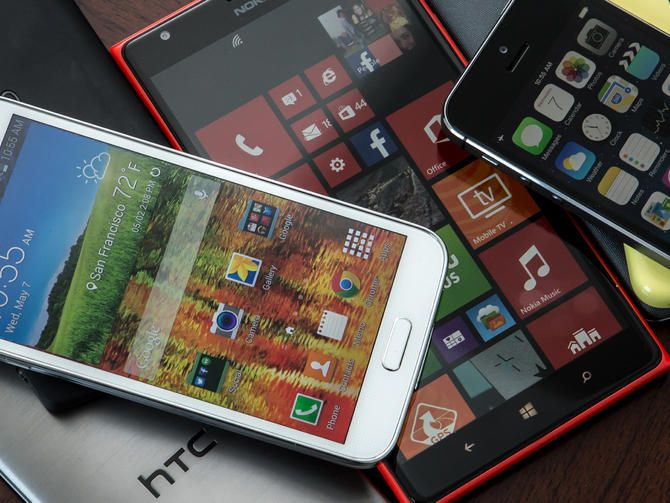
Smartphones have become an important part of modern life. People use them for communication, education, entertainment, shopping, banking, and even business management. Over the last decade, smartphone innovations have completely transformed how people connect with the world. From touchscreens and powerful cameras to artificial intelligence and foldable displays, the smartphone industry continues to grow rapidly.
Today, smartphone innovations are not only focused on appearance. Companies are now improving speed, security, battery life, software performance, and user experience. Modern devices can perform tasks that once required laptops or desktop computers. As technology advances, smartphones are becoming smarter, faster, and more efficient.
Many users are excited about innovations such as 5G connectivity, AI-powered photography, wireless charging, and augmented reality features. These developments help users enjoy a smoother and more personalized experience. In addition, smartphone manufacturers continue to compete by introducing creative designs and advanced functions.
Understanding smartphone innovations is important because technology affects nearly every part of daily life. Whether someone uses a smartphone for work, study, gaming, or social media, modern innovations improve convenience and productivity. This article explores the latest smartphone innovations, their importance, benefits, risks, common mistakes, expert tips, and future possibilities in simple and easy-to-understand language.
What is Smartphone Innovations?
Smartphone innovations refer to the new technologies, features, and improvements added to smartphones to enhance performance, usability, and user experience. These innovations may include hardware upgrades, software improvements, design changes, or smart technologies powered by artificial intelligence.
In simple words, smartphone innovations help devices become more powerful and efficient than older models. Every year, manufacturers introduce advanced features to attract users and improve daily smartphone usage.
Some common examples of smartphone innovations include:
- Foldable smartphone displays
- Facial recognition security
- AI-powered cameras
- Fast charging technology
- Wireless charging
- 5G internet connectivity
- Voice assistants
- Water-resistant designs
- Advanced gaming processors
- Augmented reality applications
These innovations continue to change the way people interact with digital technology. Smartphones are no longer just communication tools. They now act as portable computers, cameras, entertainment systems, and productivity devices.
Why is Smartphone Innovations Important?
Smartphone innovations are important because they improve communication, efficiency, entertainment, and digital accessibility. As people depend more on mobile technology, innovation helps meet growing user expectations.
One major reason smartphone innovations matter is convenience. Users can perform multiple tasks from a single device. They can attend online classes, manage businesses, make digital payments, edit videos, and connect with people worldwide.
Another important factor is productivity. Modern smartphones include advanced applications, cloud integration, and multitasking features that help users save time and work efficiently.
Security is also a major benefit. Smartphone innovations such as fingerprint scanners, facial recognition, encrypted storage, and privacy settings help protect personal information.
Additionally, smartphone innovations support entertainment and creativity. Users can capture professional-quality photos, stream videos, play advanced games, and create social media content directly from their phones.
Businesses also benefit from smartphone innovations. Companies use smartphones for communication, marketing, customer service, and remote work management. This increases flexibility and efficiency in the workplace.
Overall, smartphone innovations continue to improve modern lifestyles by making technology more accessible, intelligent, and user-friendly.
Detailed Step-by-Step Guide
Understanding Smartphone Hardware Innovations
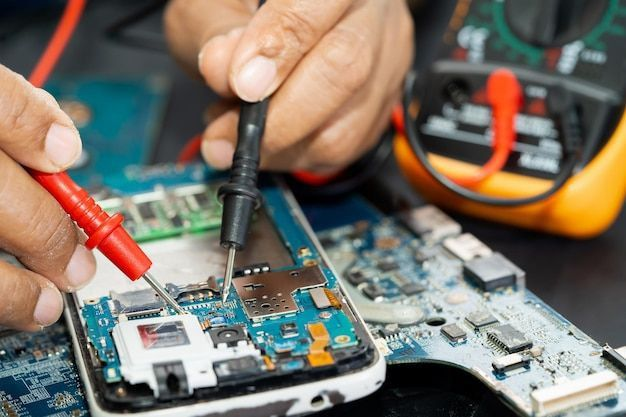
Hardware innovations focus on improving the physical components of smartphones. Manufacturers constantly upgrade processors, cameras, batteries, and displays.
Modern processors provide faster performance and better energy efficiency. This allows users to multitask smoothly, run demanding applications, and enjoy improved gaming experiences.
Display technology has also evolved significantly. OLED and AMOLED screens provide brighter colors, deeper contrast, and better viewing quality. Foldable displays are another exciting advancement that offers larger screen space while maintaining portability.
Battery technology continues to improve as well. Many smartphones now support fast charging and wireless charging. Some devices can reach full battery capacity within minutes.
Camera systems are another major area of smartphone innovations. Multiple lenses, AI image processing, optical stabilization, and night photography modes help users capture high-quality images and videos.
Exploring Software Innovations
Software plays an important role in smartphone innovations. Advanced operating systems improve user experience through smoother performance, better security, and intelligent features.
Artificial intelligence is widely used in smartphone software. AI helps optimize battery usage, improve photography, recognize voice commands, and personalize user experiences.
Voice assistants have become increasingly popular. Users can perform tasks such as sending messages, setting reminders, or searching online using voice commands.
Software updates also improve security by fixing vulnerabilities and protecting user data from cyber threats.
Cloud integration is another major innovation. Users can store files online, access documents from different devices, and synchronize data easily.
Understanding 5G Technology
One of the biggest smartphone innovations is 5G connectivity. This technology provides faster internet speeds, lower latency, and improved network performance.
5G allows users to stream high-quality videos, download large files quickly, and enjoy smoother online gaming experiences.
Businesses and industries also benefit from 5G technology because it supports smart devices, automation, and remote communication.
As 5G networks expand globally, smartphones will become even more powerful and connected.
Foldable Smartphone Technology
Foldable smartphones represent a major design innovation. These devices use flexible display technology that allows screens to fold without damage.
Foldable phones provide larger displays while remaining compact and portable. Users can enjoy multitasking, gaming, and media viewing on bigger screens.
Although foldable smartphones are currently expensive, they demonstrate the future direction of smartphone innovation.
AI-Powered Camera Systems
Camera technology is one of the most competitive areas in smartphone innovations.
Artificial intelligence helps smartphones automatically adjust lighting, colors, focus, and image settings. AI can identify scenes such as landscapes, portraits, or food and optimize image quality instantly.
Night photography modes improve low-light performance, allowing users to capture clearer photos in dark environments.
Some smartphones also include advanced video stabilization and cinematic recording features.
Smartphone Security Innovations
Security innovations help protect personal information and digital privacy.
Modern smartphones use biometric security systems such as fingerprint scanning and facial recognition. These technologies provide faster and more secure access.
Encryption technology protects sensitive files and communication.
Many smartphones also include privacy dashboards that help users control app permissions and monitor data usage.
Gaming Smartphone Innovations
Mobile gaming has grown rapidly, leading to specialized gaming smartphone innovations.
Gaming smartphones include high refresh rate displays, advanced cooling systems, powerful processors, and optimized graphics performance.
Some devices also feature gaming modes that reduce distractions and improve gameplay performance.
Cloud gaming support allows users to play high-quality games without expensive gaming hardware.
Sustainable Smartphone Innovations
Sustainability is becoming increasingly important in the smartphone industry.
Manufacturers are now focusing on recyclable materials, energy-efficient components, and eco-friendly packaging.
Some companies also offer repair-friendly designs that help reduce electronic waste.
Longer software support is another positive innovation because it extends device lifespan and reduces unnecessary upgrades.
Benefits of Smartphone Innovations
Smartphone innovations offer many advantages for users, businesses, and society.
- Improved communication through faster internet and messaging
- Better productivity with multitasking applications
- High-quality photography and video recording
- Enhanced security with biometric protection
- Faster charging and longer battery performance
- More immersive gaming and entertainment experiences
- Better online learning and remote work opportunities
- Increased accessibility for users with disabilities
- Smarter AI-powered assistance and automation
- Improved navigation and location-based services
- Easier digital payments and online banking
- Compact access to multiple tools and services
These benefits continue to make smartphones essential in modern life.
Disadvantages / Risks
Despite the advantages, smartphone innovations also have certain disadvantages and risks.
- High prices for premium smartphones
- Increased screen addiction and excessive usage
- Privacy concerns related to data collection
- Cybersecurity threats and hacking risks
- Short product life cycles leading to electronic waste
- Expensive repairs for advanced devices
- Battery degradation over time
- Distractions affecting productivity and focus
- Dependence on internet connectivity
- Compatibility issues with older devices
Users should balance smartphone usage carefully to avoid negative effects.
Common Mistakes to Avoid
Many users fail to take full advantage of smartphone innovations because of common mistakes.
Ignoring Software Updates
Some people avoid software updates because they think updates are unnecessary. However, updates improve security, fix bugs, and enhance performance.
Overcharging the Battery
Keeping a smartphone plugged in for long periods may reduce battery lifespan over time.
Installing Untrusted Applications
Downloading apps from unknown sources can expose devices to malware and security threats.
Neglecting Privacy Settings
Many users never review app permissions. This may allow applications to access sensitive information unnecessarily.
Using Weak Passwords
Simple passwords make devices vulnerable to hacking attempts. Strong passwords and biometric security improve protection.
Buying Smartphones Without Research
Some buyers focus only on appearance rather than performance, battery life, or software support.
Ignoring Device Maintenance
Regular cleaning, storage management, and software optimization help maintain smartphone performance.
FAQs
What are the latest smartphone innovations?
The latest smartphone innovations include foldable displays, AI-powered cameras, 5G connectivity, fast charging, advanced gaming processors, satellite communication, and augmented reality features.
How does AI improve smartphones?
Artificial intelligence improves smartphones by optimizing battery usage, enhancing photography, recognizing voice commands, and personalizing user experiences.
Are foldable smartphones worth buying?
Foldable smartphones offer larger displays and unique multitasking features. However, they are often expensive and may not suit every budget.
Why is 5G important for smartphones?
5G provides faster internet speeds, smoother streaming, improved gaming experiences, and lower network latency.
How can users protect smartphone privacy?
Users can protect privacy by using strong passwords, enabling biometric security, avoiding suspicious applications, and reviewing app permissions regularly.
What is the future of smartphone innovations?
Future smartphone innovations may include advanced AI integration, holographic displays, improved battery technology, wearable device integration, and smarter augmented reality systems.
Do smartphone innovations improve business productivity?
Yes, smartphone innovations help businesses communicate faster, manage tasks remotely, access cloud services, and improve workflow efficiency.
Can smartphone innovations help education?
Modern smartphones support online learning, educational applications, video conferencing, and digital collaboration tools that improve educational accessibility.
Expert Tips & Bonus Points
Choosing the right smartphone requires understanding personal needs and priorities. Users should focus on features that match their lifestyle rather than purchasing devices based only on trends.
Always compare processor performance, battery life, software support, and camera quality before buying a smartphone.
Using protective cases and screen guards helps extend device lifespan and reduce repair costs.
Users should regularly back up important data to cloud storage or external devices.
Limiting unnecessary background applications can improve battery performance and overall speed.
Activating two-factor authentication adds another layer of security to protect sensitive information.
It is also important to manage screen time wisely. Excessive smartphone usage may negatively affect productivity, sleep quality, and mental focus.
Businesses can improve efficiency by integrating smartphones with productivity applications, cloud platforms, and communication tools.
Students should use smartphones responsibly for research, educational content, and skill development.
Technology enthusiasts should stay informed about new smartphone innovations because the industry evolves rapidly.
Consumers should also consider sustainability when buying devices. Smartphones with longer software support and repair-friendly designs offer better long-term value.
Using original chargers and accessories helps maintain battery health and device safety.
Users interested in mobile photography should learn basic editing skills to maximize camera potential.
Finally, smartphone innovations should be viewed as tools that improve convenience and productivity rather than sources of constant distraction.
Conclusion
Smartphone innovations continue to transform the digital world in remarkable ways. Modern smartphones are no longer simple communication devices. They have become powerful tools for productivity, education, entertainment, creativity, and business management. From AI-powered features and advanced security systems to foldable displays and 5G connectivity, smartphone technology keeps evolving rapidly.
These innovations improve convenience, save time, and create better user experiences. People can now work remotely, attend online classes, create professional content, manage finances, and connect globally using a single device. Businesses also benefit greatly from smartphone innovations through improved communication and operational efficiency.
However, users should also understand the risks associated with modern smartphones. Privacy concerns, cybersecurity threats, screen addiction, and electronic waste are important issues that require responsible usage and awareness.
The future of smartphone innovations looks even more exciting. Artificial intelligence, augmented reality, sustainable manufacturing, and advanced connectivity will continue shaping the next generation of mobile devices. As technology develops further, smartphones will likely become smarter, faster, and more integrated into daily life.
Understanding smartphone innovations helps users make informed decisions, use technology responsibly, and maximize the benefits of modern mobile devices. Whether someone is a beginner or an experienced user, staying informed about smartphone advancements is essential in today’s digital era.
