

Introduction
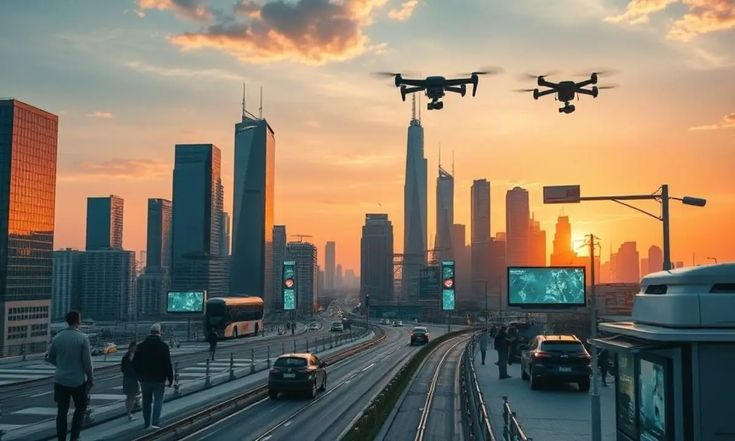
Modern city living has become one of the most popular lifestyles in today’s fast-moving world. Millions of people now choose urban areas because cities offer better career opportunities, modern facilities, entertainment options, and advanced technology. From tall apartment buildings to busy public transportation systems, city environments continue to shape the way people work, socialize, and live every day.
For beginners and intermediate readers, understanding modern city living is important because urban lifestyles are constantly changing. Cities are becoming smarter, greener, and more connected through digital technology and innovative planning. At the same time, city residents face challenges such as high living costs, traffic congestion, noise, and limited personal space. Learning how to manage these realities can improve comfort, productivity, and overall happiness.
Modern city living also influences habits, relationships, health, and financial decisions. People living in cities often balance fast schedules with personal goals while trying to maintain healthy routines and meaningful social connections. As urban populations continue to grow, city living will remain an important topic for students, professionals, families, and business owners alike.
This complete guide explains what modern city living means, why it matters, and how people can adapt successfully to urban environments. You will also discover benefits, disadvantages, expert strategies, common mistakes, and practical tips for creating a balanced and enjoyable city lifestyle.
What is Modern City Living?
Modern city living refers to a lifestyle centered around urban environments where people rely on modern infrastructure, technology, transportation systems, and community services to manage daily life efficiently. It includes living in apartments, using public transportation, working in commercial districts, and accessing entertainment, healthcare, and education within a connected urban system.
Unlike traditional rural lifestyles, modern city living focuses on convenience, speed, accessibility, and digital integration. Many cities now include smart technologies such as mobile payment systems, online services, ride-sharing applications, and automated public facilities. These developments make urban living faster and more organized.
Modern city living also involves social diversity. Cities bring together people from different cultures, professions, and backgrounds. This diversity creates opportunities for learning, networking, and personal growth. At the same time, it requires strong communication skills and adaptability.
Today’s urban lifestyle often includes smaller living spaces, flexible work schedules, and a stronger dependence on technology. People living in cities frequently prioritize convenience, career development, and access to services over larger homes or quieter environments.
Why is Modern City Living Important?
Modern city living plays a major role in economic growth, innovation, and cultural development. Cities create opportunities for employment, education, and business expansion. Many large companies, universities, hospitals, and technology centers are located in urban areas, making cities important centers of progress.
Another reason modern city living matters is accessibility. Urban residents usually have quick access to transportation, shopping centers, healthcare services, and entertainment facilities. This convenience saves time and supports efficient daily routines.
Modern city living also encourages innovation and social interaction. People in cities are exposed to new ideas, trends, and technologies regularly. This environment often promotes creativity and personal development.
Additionally, cities influence environmental planning and sustainability efforts. Many governments are investing in green transportation, renewable energy, and smart infrastructure to improve urban life. These developments can reduce pollution and support healthier living conditions.
For young professionals and students, modern city living offers career opportunities and networking advantages that are often unavailable in smaller towns. Families also benefit from access to quality schools, medical services, and recreational facilities.
Detailed Step-by-Step Guide
Step 1: Choose the Right Location
Location is one of the most important factors in modern city living. Before moving to a city, research neighborhoods carefully. Consider transportation access, safety, rental costs, schools, hospitals, and nearby markets.
Living near your workplace or educational institution can reduce travel time and improve daily productivity. Some people prefer busy downtown areas, while others choose quieter suburban districts connected to the city.
Always compare living expenses before making a decision. A lower rent may seem attractive, but transportation costs and limited services can increase overall expenses.
Step 2: Create a Realistic Budget
Urban lifestyles can become expensive if spending is not controlled properly. Modern city living requires careful financial planning because housing, transportation, food, and entertainment costs are often higher in cities.
Start by tracking monthly income and expenses. Divide spending into categories such as rent, utilities, groceries, transportation, savings, and leisure activities. This method helps identify unnecessary expenses.
Using budgeting applications or digital banking tools can make financial management easier. Building an emergency fund is also important because city expenses can change unexpectedly.
Step 3: Optimize Small Living Spaces

Many city residents live in apartments or compact homes. Therefore, learning how to organize smaller spaces efficiently is essential.
Use multifunctional furniture such as storage beds, foldable tables, and wall shelves. Keep rooms clean and avoid unnecessary clutter. Good lighting and simple interior design can make small spaces feel larger and more comfortable.
Minimalist living is becoming increasingly popular in modern city living because it improves organization and reduces stress.
Step 4: Use Smart Transportation Options
Transportation strongly affects urban lifestyles. Traffic congestion can waste time and increase frustration. Fortunately, modern city living offers multiple transportation choices.
Public transportation systems such as buses, trains, and metro services are often faster and more affordable than private vehicles. Cycling and walking are also practical in many cities.
Ride-sharing services and mobile navigation applications help residents plan routes efficiently. Choosing environmentally friendly transportation methods can reduce costs and support sustainability.
Step 5: Maintain a Healthy Lifestyle
Busy city schedules can negatively affect physical and mental health. Long working hours, fast food, and limited exercise may create health problems over time.
To maintain balance, create healthy routines. Prepare nutritious meals, exercise regularly, and get enough sleep. Many urban areas include parks, fitness centers, and recreational spaces that support healthy activities.
Mental health is equally important in modern city living. Taking breaks from technology, practicing mindfulness, and spending time with supportive people can reduce stress.
Step 6: Build Strong Social Connections
Although cities are crowded, many residents experience loneliness because of busy schedules and limited interaction. Building meaningful relationships improves emotional well-being and creates support systems.
Join local groups, attend community events, or participate in social activities that match your interests. Networking is especially valuable for professionals and entrepreneurs.
Good communication and respect for cultural diversity are important skills in urban environments.
Step 7: Adapt to Technology
Technology is a central part of modern city living. Online banking, food delivery applications, smart home devices, and digital communication tools simplify daily tasks.
Learning basic digital skills can save time and improve convenience. However, it is also important to maintain privacy and cybersecurity awareness while using online services.
Cities continue to adopt smart technologies, making digital adaptability increasingly valuable.
Step 8: Focus on Work-Life Balance
Urban lifestyles often encourage constant activity and productivity. While ambition is beneficial, overworking can cause burnout and emotional exhaustion.
Set boundaries between work and personal life. Schedule relaxation time, hobbies, and social activities regularly. Maintaining balance improves long-term happiness and performance.
Many successful city residents prioritize time management to avoid unnecessary stress.
Benefits of Modern City Living
Modern city living offers many advantages for individuals and families. Some of the most important benefits include:
- Better career and business opportunities
- Access to modern healthcare facilities
- Improved educational institutions
- Convenient transportation systems
- Diverse entertainment and cultural experiences
- Faster internet and digital connectivity
- Access to shopping centers and restaurants
- Opportunities for networking and social growth
- Greater exposure to innovation and technology
- Availability of emergency and public services
- Flexible lifestyle choices
- Better access to professional development programs
Urban environments also encourage independence and adaptability. People living in cities often become more organized and skilled at managing fast-paced routines.
Disadvantages / Risks
Despite its advantages, modern city living also includes several challenges and risks:
- High cost of living
- Expensive housing and rent
- Traffic congestion and pollution
- Noise and overcrowding
- Limited personal space
- Increased stress and mental pressure
- Busy schedules and work overload
- Higher risk of social isolation
- Security and safety concerns in some areas
- Dependence on technology and digital systems
- Reduced connection with nature
- Fast lifestyle that may affect health negatively
Understanding these disadvantages helps people prepare better for urban life and make smarter decisions.
Common Mistakes to Avoid
Many people struggle with modern city living because they make avoidable mistakes. Recognizing these errors early can improve the urban experience significantly.
One common mistake is overspending. Many city residents spend excessively on shopping, entertainment, or luxury lifestyles without proper budgeting. This behavior often creates financial stress.
Another mistake is ignoring health. Busy routines sometimes lead people to skip meals, avoid exercise, or sleep poorly. Over time, these habits reduce productivity and increase health risks.
Poor time management is another major issue. Traffic delays, work pressure, and social commitments can quickly become overwhelming without proper planning.
Some individuals also isolate themselves socially. Although city life is busy, maintaining relationships and community connections remains important for emotional well-being.
Finally, many people fail to research neighborhoods before moving. Choosing an unsuitable location can increase expenses and daily frustration.
FAQs
1. What makes modern city living different from rural living?
Modern city living focuses on convenience, technology, and accessibility. Urban areas provide faster transportation, better services, and more career opportunities, while rural lifestyles usually offer quieter environments and larger living spaces.
2. Is modern city living expensive?
Yes, city living is often more expensive than living in smaller towns. Housing, transportation, and entertainment costs are usually higher. However, careful budgeting can help manage expenses effectively.
3. How can people reduce stress in urban environments?
People can reduce stress by maintaining healthy routines, exercising regularly, managing time efficiently, and taking breaks from work and technology. Spending time outdoors also improves mental health.
4. Is public transportation better than owning a car in cities?
In many cities, public transportation is more affordable and convenient than owning a car. It can reduce fuel costs, parking problems, and traffic-related stress.
5. Can families enjoy modern city living?
Yes, families can enjoy urban lifestyles if they choose suitable neighborhoods with good schools, healthcare facilities, and safe recreational spaces. Many cities provide family-friendly services and activities.
6. How does technology influence modern city living?
Technology improves convenience and efficiency in urban life. Mobile applications, smart devices, online banking, and digital communication tools help residents manage daily activities quickly and easily.
7. What are the biggest challenges of modern city living?
The biggest challenges include high living costs, pollution, traffic congestion, stress, and limited personal space. Balancing work and personal life is also difficult for many city residents.
Expert Tips & Bonus Points
Experts recommend several strategies for improving modern city living experiences. These practical tips can increase comfort, productivity, and long-term satisfaction.
Prioritize location over apartment size when choosing housing. Living near workplaces or schools can save significant time and transportation costs.
Develop strong financial habits early. Saving regularly and avoiding unnecessary spending creates long-term stability in expensive urban environments.
Use technology wisely instead of becoming overly dependent on it. Digital tools should improve efficiency without replacing healthy personal habits.
Create personal routines that support physical and mental health. Consistency is important for maintaining balance in busy city schedules.
Stay connected with local communities. Building relationships with neighbors and colleagues improves emotional well-being and creates support networks.
Try to include nature in daily life. Visiting parks, walking outdoors, or adding plants to living spaces can reduce stress and improve mood.
Finally, remain adaptable. Cities evolve quickly, and flexible individuals usually adjust more successfully to changing lifestyles and opportunities.
Conclusion
Modern city living continues to shape the future of society through technology, innovation, and urban development. Cities provide countless opportunities for education, employment, entertainment, and personal growth. At the same time, urban environments present challenges that require careful planning, healthy habits, and financial discipline.
Understanding the realities of modern city living allows people to make smarter decisions and enjoy a more balanced lifestyle. From choosing the right location to managing stress and building social connections, every aspect of city life influences long-term happiness and success.
Although urban living can feel overwhelming at times, proper preparation makes a major difference. People who manage their time wisely, maintain healthy routines, and adapt to changing environments often enjoy rewarding city experiences. Technology and smart infrastructure also continue to improve convenience and accessibility for urban residents around the world.
As cities grow and evolve, modern city living will remain an important part of everyday life for millions of people. Whether someone is moving to a city for work, education, or personal growth, understanding urban lifestyles helps create a smoother and more enjoyable transition. With the right mindset and practical strategies, city living can become both productive and fulfilling for individuals and families alike.
